
Bermuda & Bahia Grass Pollen Peak: May Is a Double-Whammy for Tampa Bay Allergies
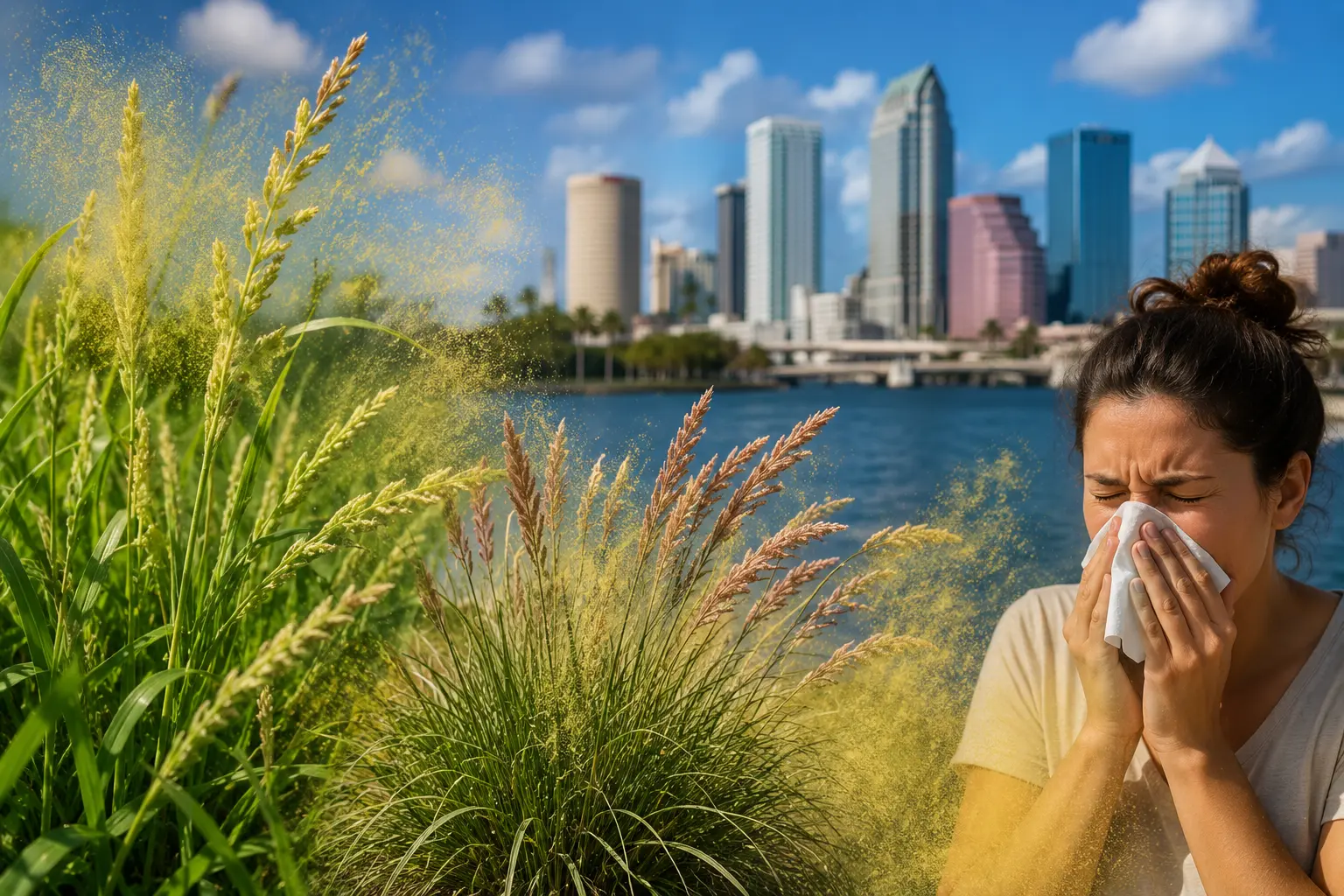
Grass pollen in Florida peaks every May, and if you’ve noticed more sneezing, itchy eyes, or congestion indoors lately, your AC filter may be part of the problem. Central Florida’s warm, humid climate creates ideal growing conditions for Bahia, Bermuda, and other grass species that release massive amounts of pollen from late April through June. Your HVAC system circulates air throughout your home constantly, and without the right filter, it can spread pollen to every room. At Custom AC Quality, we’ve helped homeowners and business owners across Pasco and Hillsborough County breathe easier during allergy season for over 20 years. Here’s what you need to know about pollen, filters, and keeping your indoor air clean this spring.
Why May Is Peak Grass Pollen Season in Central Florida
May marks the height of grass pollen season across Central Florida. Warm temperatures, long daylight hours, and frequent afternoon rain showers create a cycle where grasses grow fast and release pollen in heavy bursts, especially in the morning hours before humidity rises.
According to the American Academy of Allergy, Asthma & Immunology, grass pollen is one of the most common outdoor allergen triggers in the southeastern United States. In our region, Bahia grass and Bermuda grass are the primary culprits. Both thrive in Florida’s sandy soils and subtropical climate.
Pollen counts in the Zephyrhills and greater Tampa area regularly reach “high” or “very high” levels throughout May. If you check local pollen forecasts from the National Allergy Bureau, you’ll see counts spike on dry, windy mornings. That’s exactly when pollen drifts into open windows, clings to clothing, and gets pulled into your HVAC system.
For allergy sufferers, this means symptoms don’t stop at the front door. The pollen follows you inside, unless your home’s air filtration is set up to catch it.
How Grass Pollen Gets Inside Your Home Through Your HVAC System
Grass pollen particles are small, typically 20 to 25 microns in diameter. That’s large enough for a quality filter to capture, but small enough to pass through a cheap fiberglass filter without resistance.
Your HVAC system pulls air from inside your home through return vents, conditions it, and pushes it back out through supply ducts. Every time the system cycles, it also draws in air from small leaks in ductwork, gaps around doors, and other entry points. Pollen that enters your home on shoes, pets, or through open windows gets recirculated through this loop repeatedly.
We see this firsthand during spring service calls across Pasco County. Customers report allergy symptoms that worsen indoors, and when we inspect their systems, we find clogged or inadequate filters coated in yellow-green pollen dust. In homes with older ductwork or poor seals, the problem is even worse because outdoor air infiltrates the system directly.
The takeaway: your AC filter is the primary line of defense against airborne pollen inside your home. If it’s the wrong type or hasn’t been changed recently, pollen circulates freely through every room.
Choosing the Best AC Filter for Pollen and Allergy Relief
Not all AC filters are created equal. The right filter for allergy season depends on your system type, your sensitivity level, and how often you’re willing to replace it.
For most homes in Florida, we recommend a pleated filter rated MERV 11 or higher during pollen season. These filters capture particles as small as 1 micron, which includes pollen, dust mites, mold spores, and pet dander. They offer strong filtration without restricting airflow enough to strain your system.
Avoid flat fiberglass filters during May and June. These are designed to protect your equipment, not your lungs. They typically carry a MERV 1–4 rating and let most pollen pass right through.
MERV Ratings Explained: What Florida Homeowners Should Look For
MERV stands for Minimum Efficiency Reporting Value. It’s a standardized scale from 1 to 20 that rates how well a filter captures airborne particles.
- MERV 1–4: Basic filtration. Catches large debris like lint and dust bunnies. Poor for allergens.
- MERV 5–8: Better residential filtration. Catches some mold spores and larger pollen grains.
- MERV 9–12: Good for allergy relief. Captures most pollen, dust mite allergens, and fine dust. This is the sweet spot for most Florida homes.
- MERV 13–16: High-efficiency filtration used in commercial buildings and hospitals. Effective but may restrict airflow in older residential systems.
Before jumping to the highest MERV rating you can find, check with your HVAC technician. A filter that’s too restrictive for your system can reduce airflow, increase energy costs, and cause your evaporator coil to freeze. We help customers find the right balance during our maintenance visits.
How Often To Change Your AC Filter During Allergy Season
During peak grass pollen months in Florida, we recommend changing your AC filter every 30 days. Standard guidance says every 60–90 days, but that doesn’t account for the heavy pollen loads we see in May and June across the Zephyrhills area.
A clogged filter does two things wrong at once. First, it stops catching new particles because there’s no clean surface area left. Second, it restricts airflow, which forces your system to work harder and run longer cycles. That means higher electric bills and more wear on your compressor.
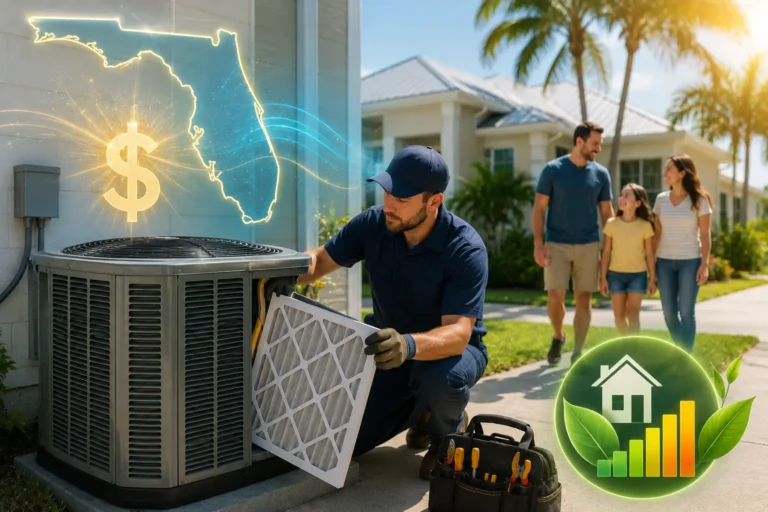
Here’s a simple check: pull your filter out and hold it up to a light source. If you can’t see light through the media, it’s time for a replacement. During heavy pollen weeks, some of our customers go through filters even faster, especially households with pets that go in and out frequently.
If you’re on one of our maintenance plans, we include filter checks and can help you stock the correct size and rating so you’re never caught off guard during allergy season.
Beyond Filters: HVAC Upgrades That Improve Indoor Air Quality
A good AC filter handles most airborne pollen, but additional upgrades can make a significant difference for anyone with moderate to severe allergies.
UV germicidal lights installed inside your air handler kill mold, bacteria, and certain viruses as air passes through the system. They don’t capture pollen directly, but they prevent biological growth on your evaporator coil, a common source of musty odors and secondary allergens in Florida homes.
Whole-home air purifiers use advanced filtration or ionization to remove particles that standard filters miss. We install systems that work with your existing ductwork and don’t require separate maintenance schedules.
Duct sealing is another upgrade we recommend frequently. Leaky ducts pull in unconditioned, and unfiltered, air from attics, crawl spaces, and wall cavities. Sealing those leaks keeps pollen and humidity out of your airflow.
Dehumidifiers also play a role. Florida’s humidity feeds mold growth and dust mite populations, both of which compound pollen allergy symptoms. Keeping indoor humidity between 40–50% reduces these secondary triggers.
Our team at Custom AC Quality can evaluate your system and recommend upgrades based on your specific needs and budget. We service all manufacturers and design solutions for both residential and commercial properties.
Simple Daily Habits To Reduce Pollen Exposure Indoors
Your AC filter and HVAC system do the heavy lifting, but a few daily habits go a long way during peak grass pollen season.
Keep windows and doors closed during morning hours, especially on dry and windy days. Pollen counts are highest between 5 a.m. and 10 a.m. in most Central Florida communities. Run your AC on “fan” or “auto” mode to keep air circulating through your filter even when cooling isn’t needed.
Shower and change clothes after spending time outdoors. Pollen sticks to hair, skin, and fabric. Pets pick it up too, wipe them down with a damp cloth before they come inside.
Vacuum floors and upholstery at least twice a week using a vacuum with a HEPA filter. Pollen settles on surfaces quickly and gets kicked back into the air with foot traffic.
These small steps, combined with the right AC filter and a well-maintained system, can reduce indoor pollen levels dramatically.
Keep Your Home Pollen-Free This May With Custom AC Quality
Grass pollen season in Florida doesn’t have to mean suffering indoors. The right AC filter, regular replacement, and a properly maintained HVAC system give you real control over your indoor air quality. If you’re dealing with allergy symptoms at home or in your business, our team can help. Custom AC Quality has served Hillsborough and Pasco County since 2004 with honest, knowledgeable HVAC service. Contact us today to schedule a filter check, maintenance visit, or indoor air quality consultation.