
Florida’s Worst Drought in 25 Years: What It Means for Your AC and Home
Florida’s Worst Drought in 25 Years Hits Hillsborough and Pasco Counties
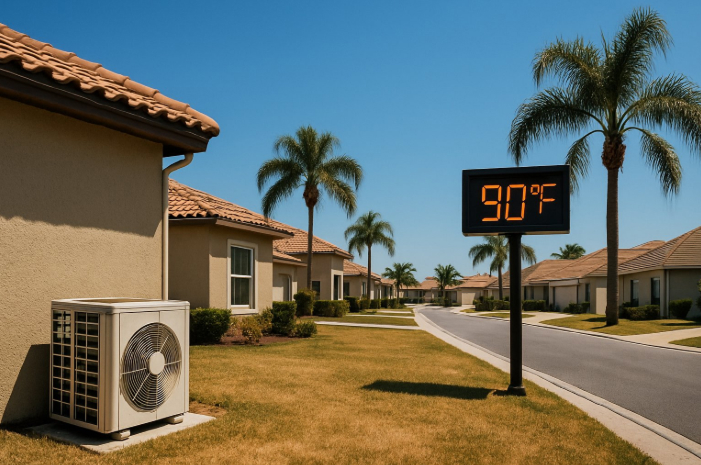
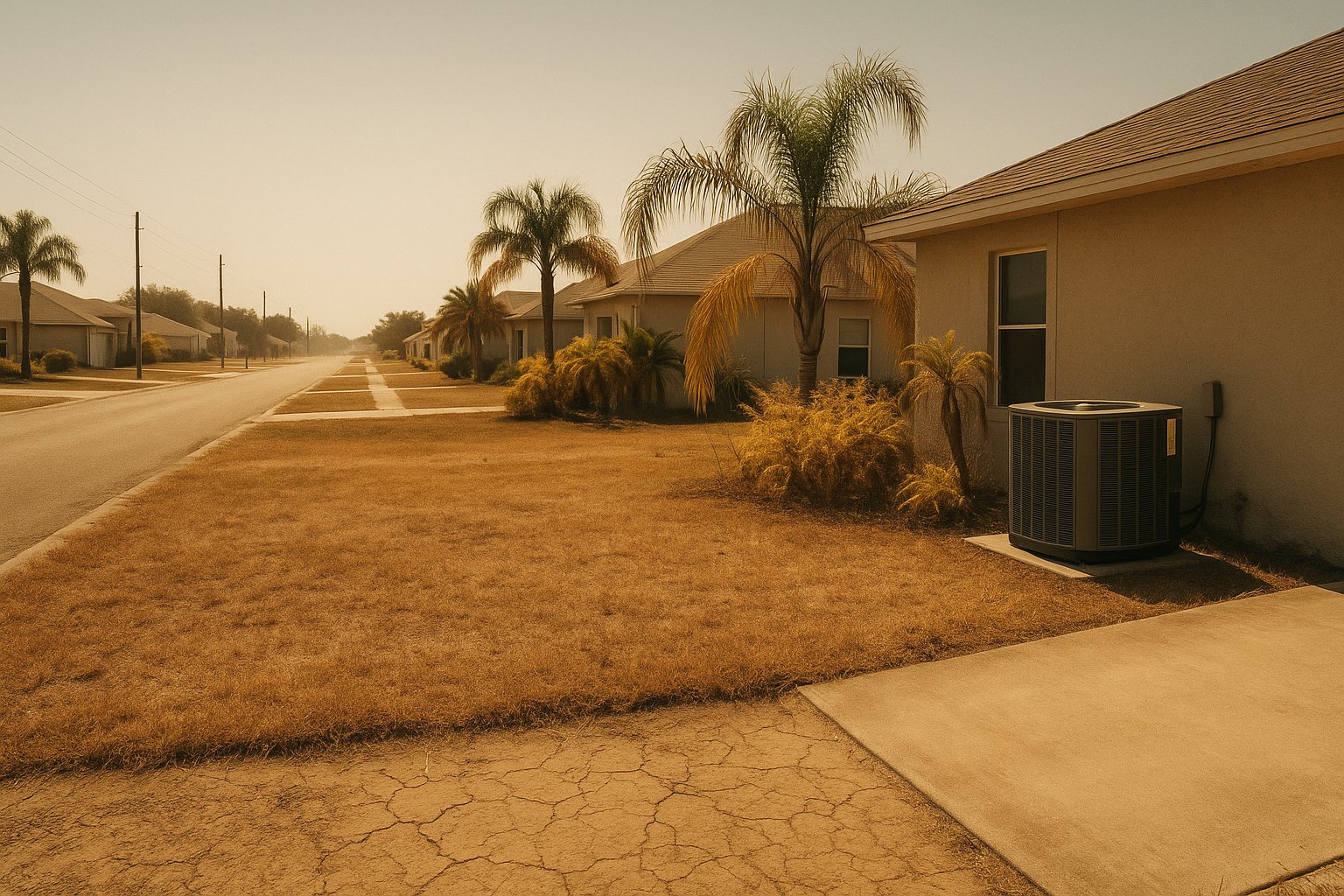
Florida is experiencing its worst drought in 25 years, and Hillsborough and Pasco counties are among the hardest-hit areas. Prolonged dry conditions and above-average temperatures have placed added stress on homes, businesses, and cooling systems across the region. Officials said the combination of extreme heat and low humidity is expected to persist through the coming weeks.
The drought has prompted water management officials to issue conservation advisories across much of the Tampa Bay area. Ground moisture levels have dropped significantly, and outdoor temperatures have consistently exceeded seasonal averages. For homeowners and business owners, these conditions mean HVAC systems are running longer and harder than usual to maintain comfortable indoor environments.
Local utilities and emergency management agencies are monitoring conditions closely. The Southwest Florida Water Management District has classified drought severity in Hillsborough and Pasco counties at elevated levels not seen since the early 2000s. Area businesses that rely on climate-controlled spaces, including restaurants, medical offices, and retail locations, are reporting increased energy costs.
Extended dry spells reduce ambient humidity, increase airborne dust and particulates, and force air conditioning units to cycle more frequently. This accelerates wear on key components and can lead to unexpected breakdowns during the season when reliable cooling matters most.
What It Means for Your AC and Home
The current drought conditions in Hillsborough and Pasco counties have a direct impact on your HVAC system and overall home comfort. Here’s what local homeowners and business owners should know:
Increased System Strain
- AC units are running longer cycles to combat sustained high temperatures, increasing the risk of compressor fatigue and mechanical failure.
- Systems that haven’t been serviced recently are especially vulnerable to breakdowns under extended use.
Higher Energy Bills
- Longer run times mean higher electricity consumption. Homeowners and businesses should expect above-normal energy costs until conditions improve.
- Ensuring your system is operating efficiently is the most effective way to control rising utility expenses.
Reduced Indoor Air Quality
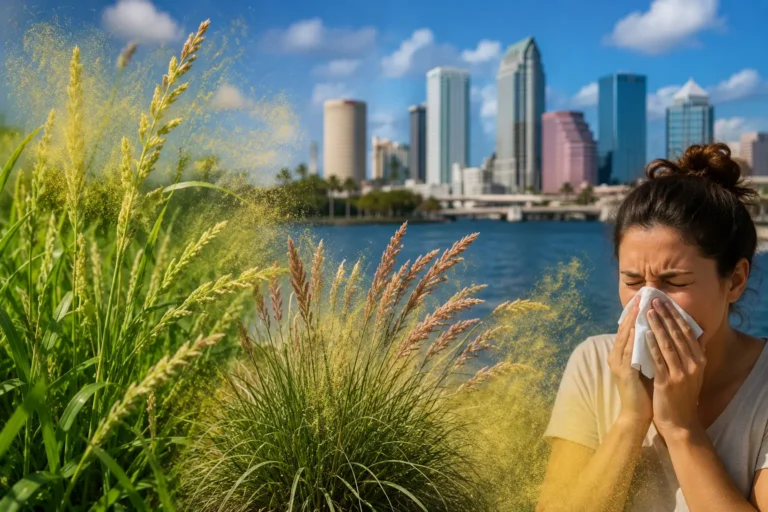
- Drought conditions increase dust, pollen, and particulate matter in the air. Your AC filter will clog faster than usual.
- Dirty filters restrict airflow, reduce efficiency, and can cause evaporator coils to freeze, leading to costly repairs.
Tips to Protect Your AC and Home During the Drought
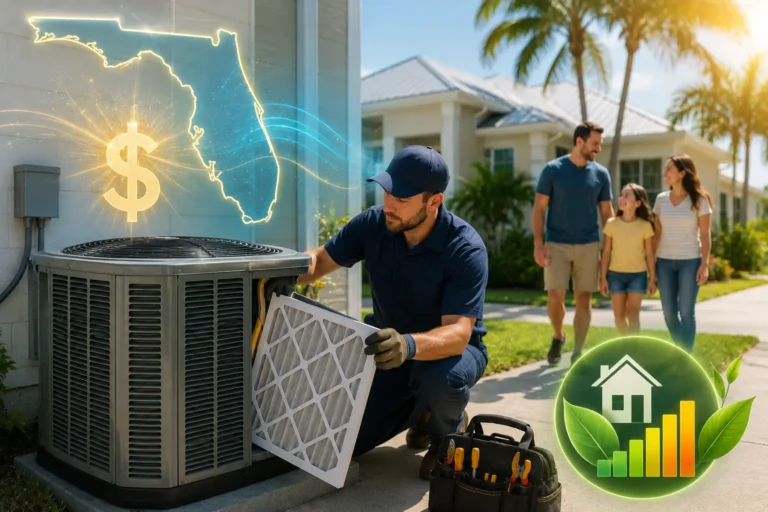
- Replace air filters every 30 days during extreme heat and dry conditions instead of the standard 60–90 day interval.
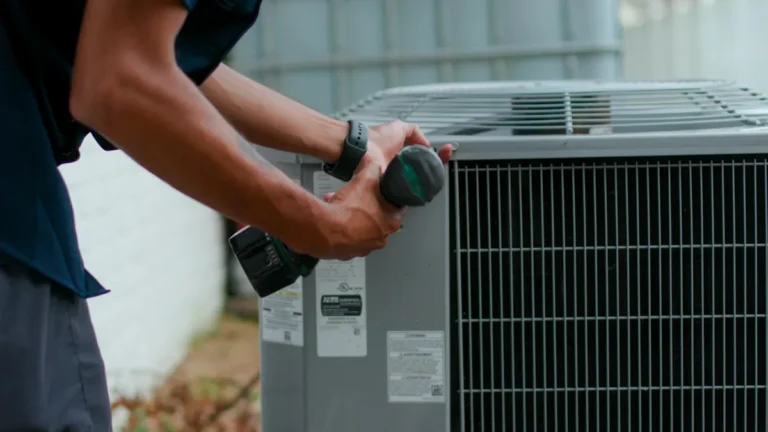
- Schedule a professional maintenance check to ensure refrigerant levels, electrical connections, and drainage lines are in good condition.
- Keep outdoor condenser units clear of dry debris, leaves, and dust buildup that can restrict airflow.
- Use a programmable or smart thermostat to avoid overworking your system during peak afternoon hours.
- Seal windows and doors to prevent cool air from escaping and reduce the load on your AC unit.
- Consider adding a whole-home dehumidifier if indoor air feels excessively dry or dusty, which is common during prolonged drought.
- Do not ignore unusual sounds, odors, or weak airflow, these are early signs of system stress that can worsen quickly under current conditions.
Residents and business owners in Hillsborough and Pasco counties are encouraged to take proactive steps now to protect their HVAC systems and maintain indoor comfort. Scheduling routine maintenance with Custom Air Conditioning & Air Quality and addressing minor issues early can help prevent major repairs during Florida’s worst drought in 25 years.