
Mold in Florida Homes: Why Your AC Is Your Only Defense Against the #1 Indoor Threat
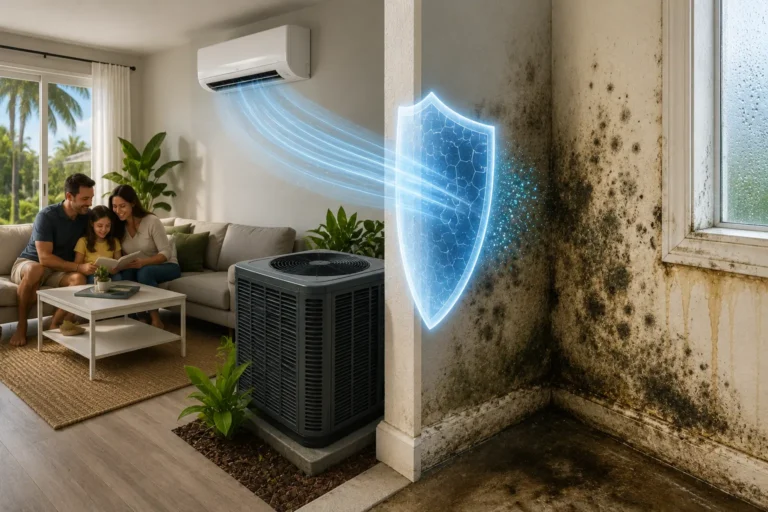
Mold in Florida homes is a persistent threat, and your AC system plays a central role in preventing it. With average humidity levels that regularly exceed 70%, homes across Hillsborough and Pasco County face constant moisture exposure, the exact conditions mold needs to thrive. Left unchecked, excess humidity damages walls, ceilings, and HVAC components while creating health risks for your family or employees.
At Custom AC Quality, we’ve spent over 20 years helping homeowners and business owners in Zephyrhills and surrounding communities control indoor moisture. Here’s what you need to know about how humidity fuels mold growth and what your air conditioning system can do to stop it.
Why Florida’s Humidity Makes Your Home a Target for Mold
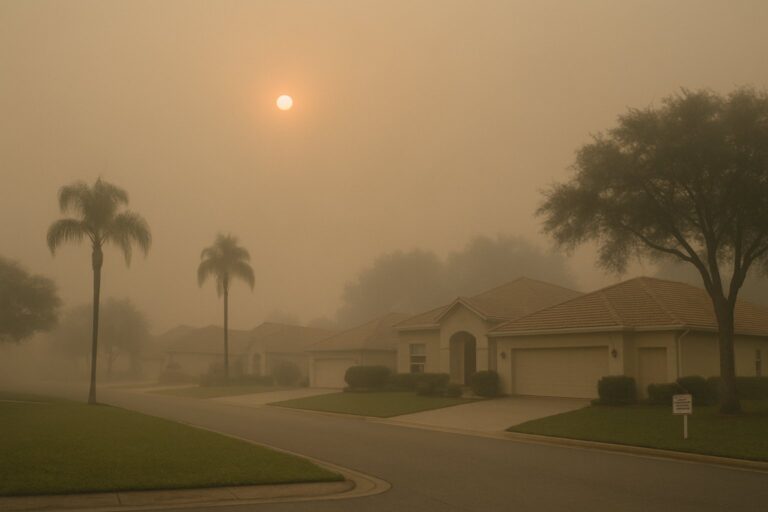
Florida’s subtropical climate produces some of the highest humidity levels in the country. According to the National Weather Service, average relative humidity in the Tampa Bay region hovers between 73% and 87% throughout the year. That moisture doesn’t stay outside, it enters your home through open doors, windows, gaps in ductwork, and even through concrete block walls.
Mold spores are already present in virtually every indoor environment. They only need two things to grow: moisture and an organic surface. Drywall, wood framing, carpet padding, and ceiling tiles all qualify. When indoor humidity climbs above 60%, those spores activate and colonies can form within 24 to 48 hours.
Homes near areas like Zephyrhills and Wesley Chapel, where afternoon thunderstorms are a daily summer occurrence, face even greater exposure. Rain-saturated air pushes indoor humidity higher, especially if the home’s AC system isn’t running efficiently. That’s why humidity control isn’t optional here, it’s a basic requirement for protecting your property.
How Your AC System Controls Moisture and Fights Mold Growth
Your air conditioner does more than cool the air. Every time it runs, it pulls moisture from the indoor environment through the evaporator coil. Water vapor condenses on the coil, drains into the condensate pan, and exits through the drain line. This dehumidification process is critical for keeping indoor relative humidity between 30% and 50%, the EPA-recommended range.
A properly sized and maintained AC system removes enough moisture to prevent mold conditions. But if your system is oversized, it short-cycles. That means it cools the air quickly and shuts off before it has time to pull adequate moisture out. The result is a home that feels cold and clammy, and a humidity level that still supports mold.
We install and service systems that match your home’s exact cooling and dehumidification load. Our team also offers whole-home dehumidifiers that work alongside your AC to maintain safe moisture levels, even during monsoon-like summer storms. Pairing your air conditioner with a dedicated dehumidifier gives you a second layer of protection that a standalone AC unit can’t always provide on its own.
Warning Signs That Humidity and Mold Are Taking Over
Mold doesn’t always announce itself with visible patches on walls. Often, the first signs are subtler. If you notice a persistent musty smell, especially near supply vents or return grilles, that’s a strong indicator of mold growth inside your ductwork or air handler.
Other warning signs include:
- Condensation forming on windows or interior walls
- Peeling or bubbling paint, particularly in bathrooms and laundry rooms
- Allergy symptoms that worsen when you’re indoors (sneezing, itchy eyes, congestion)
- A thermostat reading that shows the temperature is met but the air still feels sticky
If your AC runs constantly but your home never feels dry, the system may be struggling to manage humidity. A clogged condensate drain, dirty evaporator coil, or low refrigerant charge can all reduce dehumidification capacity without triggering an obvious system failure.
AC Mistakes That Make Mold Problems Worse
Several common habits actually increase mold risk. Setting the thermostat fan to “ON” instead of “AUTO” recirculates moist air that already condensed on the coil, sending it right back into your home. This single setting change can raise indoor humidity by 10% or more.
Skipping annual maintenance is another major contributor. Dirty coils reduce heat exchange and moisture removal. Clogged drain lines cause water to back up into the air handler, creating a breeding ground for mold inside the unit itself.
Running the AC at extremely low temperatures can also cause problems. If the evaporator coil freezes, it stops removing moisture entirely. Once the ice melts, excess water can overflow the drain pan and soak surrounding insulation or drywall. We see this frequently in homes where the filter hasn’t been changed in months.
Proven Steps to Keep Humidity Low and Mold Out of Your Home
Preventing mold starts with consistent humidity control. These steps give you the best protection:
Keep your thermostat fan set to AUTO. This allows moisture to drain off the evaporator coil between cycles instead of being blown back into your living space.
Change your air filter every 30 to 90 days. A restricted filter reduces airflow across the coil, which limits both cooling and dehumidification.
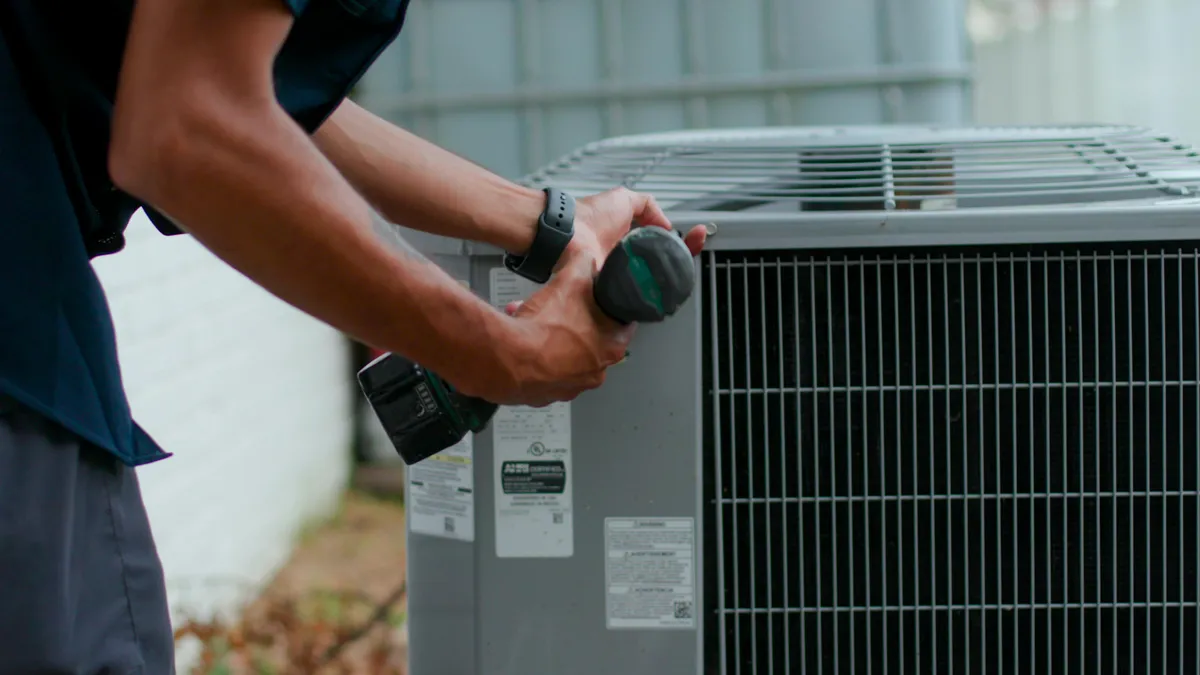
Schedule professional AC maintenance at least once a year. We inspect the condensate drain, clean the evaporator coil, check refrigerant levels, and verify that the system is removing moisture as designed. Our maintenance plans cover these checks so nothing gets missed.
Consider a whole-home dehumidifier. In Florida, even a well-maintained AC system can struggle during peak humidity months. A dehumidifier integrated into your ductwork handles excess moisture independently of your cooling cycles.
Install a smart thermostat with humidity monitoring. We install smart thermostats that track indoor humidity in real time and trigger your AC or dehumidifier automatically when levels rise above your set threshold. This eliminates guesswork and keeps conditions stable around the clock.
Seal your ductwork. Leaky ducts pull humid attic air into your system and distribute it throughout your home. We perform ductwork inspections and sealing to eliminate this hidden moisture source.
When to Call a Professional for AC and Mold Prevention
If your home consistently feels humid even though running the AC, or you’ve spotted visible mold near vents or on walls, it’s time to bring in a professional. These problems rarely resolve on their own, and delaying action allows mold to spread deeper into building materials.
Our team at Custom AC Quality evaluates your entire HVAC system, from ductwork integrity to refrigerant charge to drainage function, to identify the root cause of excess moisture. We serve homeowners and businesses across Pasco County, Hillsborough County, and communities including Tampa, Brandon, Riverview, Plant City, and Dade City.
We also offer 24/7 emergency HVAC service. If your AC fails during a Florida summer, humidity can spike to dangerous levels within hours. Same-day response means we can restore dehumidification before mold conditions take hold.
Protect Your Florida Home from Mold with the Right AC Partner
Mold prevention in Florida comes down to one thing: controlling indoor humidity. Your AC system is the primary tool for that job, but only if it’s properly sized, well-maintained, and supported by the right equipment. Custom AC Quality has helped families and businesses across Zephyrhills and the greater Tampa Bay area stay mold-free since 2004. Contact us today to schedule an inspection or discuss humidity control solutions for your property.