
Florida Pollen 2026: Why March-April Was the Worst Season in Recent Memory

Florida pollen in 2026 arrived earlier, has lingered longer, and produced more misery than most residents expected. If you’ve noticed a stubborn yellow film on your car, itchy eyes before breakfast, or an AC system that seems to struggle more than usual, you’re not imagining things. This season’s pollen counts across Hillsborough and Pasco County have been notably aggressive, and your indoor air quality is likely taking a hit.
At Custom AC Quality, we’ve spent over 20 years helping homeowners and businesses in Zephyrhills and surrounding communities breathe easier. Here’s what’s driving this season, what it’s doing to your home, and what you can do about it.
Why Florida’s 2026 Pollen Season Started Earlier and Lasts Longer
Tree pollen typically kicks off Florida’s allergy season in February. This year, it started in mid-January. Warmer baseline temperatures through the winter months pushed oak, cedar, and cypress trees into early bloom cycles weeks ahead of schedule.
The problem doesn’t stop with an early start. Elevated CO2 levels are causing plants to produce more pollen per cycle. Mild winters failed to deliver the cold snaps that usually slow down or interrupt pollen release. The result is a season where tree pollen, grass pollen, and weed pollen overlap in ways we haven’t seen in recent years.
Rain-to-dry weather patterns common across the Gulf Coast make things worse. Rain temporarily knocks pollen counts down, but as soon as the sun returns, plants release heavy bursts of pollen into the air. Humidity keeps those particles suspended longer. For residents in Zephyrhills, Wesley Chapel, Tampa, and Plant City, this means sustained exposure from January well into May, and sometimes beyond.
The bottom line: Florida’s 2026 pollen season isn’t just earlier. It’s longer, more intense, and harder on your HVAC system and indoor air.
The Most Common Pollen Triggers in Central Florida Right Now
Several pollen types are active across Central Florida at the same time.
Trees remain a major source. Oak pollen, the fine yellow dust you see coating everything outdoors, peaked in mid-March but continues at moderate levels. Pine pollen is highly visible and still present. Cedar and cypress round out the tree category with persistent counts.
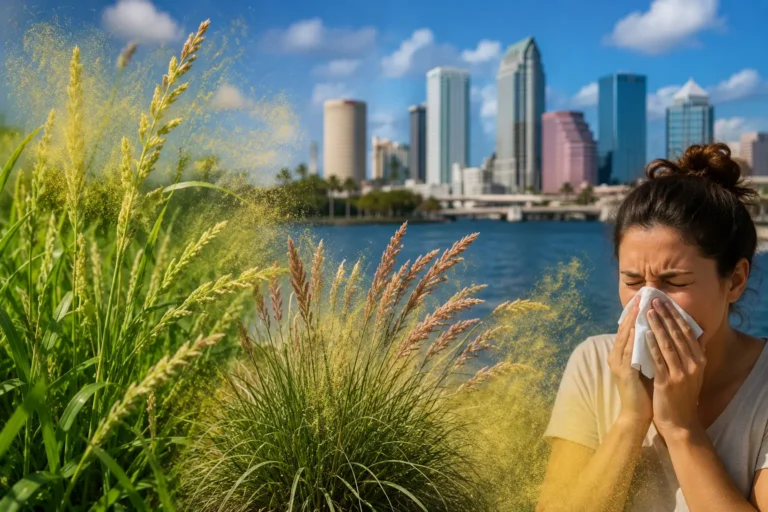
Grasses are now surging. Bahia grass and Bermuda grass are the primary culprits. Both thrive in Florida’s warm, humid spring and release pollen that’s small enough to bypass basic air filters.
Weeds are entering the picture. Ragweed, which many people associate with fall, has an early presence in Central Florida’s climate. Its pollen grains are lightweight and travel long distances on the wind.
What makes this region unique is the overlap. In cooler states, pollen seasons follow a clear sequence, trees, then grasses, then weeds. In Central Florida, all three categories can be active simultaneously. That constant exposure is why allergy symptoms feel relentless this year and why indoor air quality deserves serious attention.
How Pollen Infiltrates Your Home and Affects Indoor Air Quality
Many homeowners assume pollen is an outdoor problem. It isn’t. Pollen enters your home through several pathways, and once inside, it recirculates through your HVAC system.
Open windows and doors are the most obvious entry points. Even a few minutes of ventilation on a high-pollen day lets thousands of microscopic particles inside. But pollen also rides in on clothing, shoes, pets, and hair. It settles on furniture, bedding, and carpet fibers.
Your HVAC system’s outdoor intake pulls in ambient air, and the pollen suspended in it. Standard filters catch larger particles, but many pollen grains are small enough to pass through low-rated filters and enter your ductwork. From there, the system distributes pollen throughout every room.
The effect on indoor air quality is measurable. People who don’t typically suffer from allergies outdoors may notice congestion, sneezing, or irritated eyes inside their own homes. For anyone with asthma or respiratory sensitivities, the impact can be significant.
Signs That Pollen Is Overwhelming Your HVAC System
Your HVAC system will show clear signs when pollen buildup becomes a problem.
Visible dust or yellowish residue around vents and returns is the first indicator. If you’re replacing your air filter and it looks clogged within a week or two, pollen is likely the cause. Reduced airflow from vents, rooms that feel stuffy or don’t cool evenly, often points to restricted filters or dirty coils.
Musty or stale odors when the system runs can signal pollen and organic debris accumulating in the ductwork. And if allergy symptoms improve when you leave the house but return when you come home, your indoor air is likely carrying a heavy pollen load.
We see these issues frequently during spring service calls across Pasco County. They’re fixable, but they require attention before the system works harder than it needs to.
Practical Ways To Reduce Pollen Exposure Indoors
You can significantly reduce indoor pollen levels with consistent daily habits and a few smart upgrades.
Keep windows and doors closed during peak pollen hours, typically early morning through midday. Run your AC instead of relying on natural ventilation during high-count days.
Shower and change clothes after spending time outdoors. Pollen clings to fabric and hair, so this simple step prevents it from spreading through your home.
Clean surfaces frequently. Wipe down countertops, tables, and hard floors with a damp cloth. Vacuum carpets and upholstery with a HEPA-rated vacuum at least twice a week.
Use a standalone HEPA air purifier in bedrooms and common areas. These units capture particles as small as 0.3 microns, which includes most pollen grains.
Don’t dry laundry outside. Hanging sheets and clothes on a line during pollen season turns them into pollen collectors.
These steps work best when combined with a well-maintained HVAC system. Habits reduce what enters the home. Your air conditioning system handles what’s already circulating inside.
HVAC Upgrades and Maintenance That Make a Real Difference
Your HVAC system is your primary defense against indoor pollen, but only if it’s properly maintained and equipped.
Upgrade your air filter. Standard fiberglass filters (MERV 1–4) catch very little pollen. We recommend MERV 11 or higher for homes during Florida’s pollen season. HEPA-rated filters capture up to 99.97% of airborne particles, including pollen, dust mites, and mold spores.
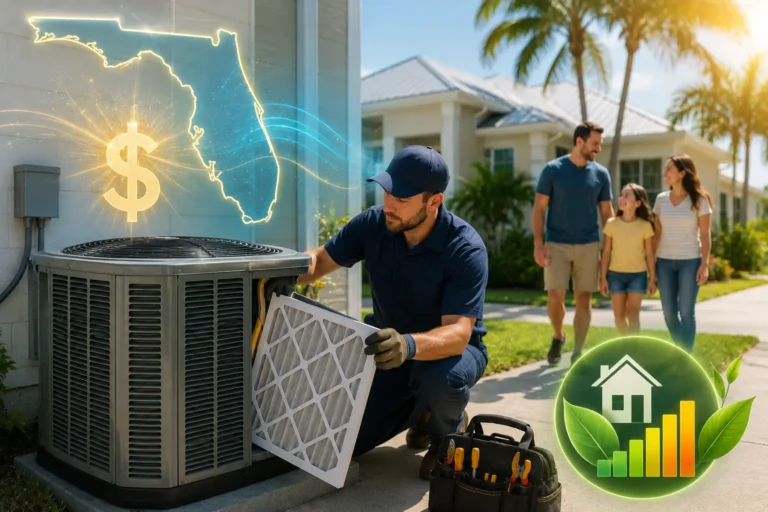
Change filters more frequently. During peak pollen months, March through May in our area, check filters every two weeks. Replace them as soon as they show visible buildup. A clogged filter forces your system to work harder, increases energy costs, and pushes pollen back into your air.
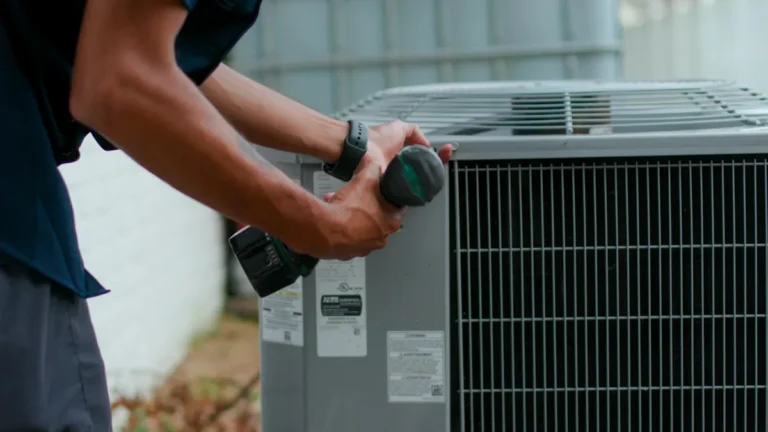
Schedule a professional cleaning. Evaporator coils, blower components, and ductwork collect pollen over time. A thorough HVAC cleaning removes what filters can’t catch and restores proper airflow.
Seal your ductwork. Leaky ducts pull unfiltered air, and pollen, from attics, crawl spaces, and wall cavities. Duct sealing eliminates these entry points and improves system efficiency.
Add UV lights or air purification. UV germicidal lights installed inside the air handler neutralize biological contaminants including mold and bacteria. Whole-home air purifiers work alongside your existing system to capture allergens before they circulate.
At Custom AC Quality, we offer indoor air quality services including purification systems, UV light installation, and maintenance plans designed to keep your system running clean year-round. If your system hasn’t been serviced since before pollen season started, now is the time.
Keep Your Home Comfortable Through Florida’s Toughest Pollen Season
Florida pollen in 2026 isn’t going to let up anytime soon. But with the right habits and a well-maintained HVAC system, you can keep indoor air quality high and allergy symptoms low.
Custom AC Quality has served Zephyrhills and communities across Hillsborough and Pasco County since 2004. Whether you need a filter upgrade, duct sealing, air purification, or a full system tune-up, we’re here to help. Contact us today or call for same-day service.