
The Ultimate HVAC Maintenance Checklist
Staying on top of HVAC maintenance is the key to preventing costly repairs, improving energy efficiency, and keeping your home or business comfortable year-round. One of the simplest ways to stay organized is by using a clear, easy-to-follow maintenance checklist.
At Custom Air Conditioning & Air Quality, we’ve put together a set of practical HVAC maintenance checklists to help you know exactly what to do and when. Whether you’re maintaining a home system or managing a commercial property, these checklists are designed to guide you through every essential step.
General HVAC Maintenance Checklist (Free PDF Download)
Your HVAC system works hard year-round, and a structured maintenance plan is key to keeping it efficient, reliable, and long-lasting. This checklist breaks maintenance down by monthly, seasonal, and long-term intervals, helping you avoid surprise breakdowns and unnecessary energy costs.
Monthly Maintenance Tasks
Simple, recurring checks that go a long way in preventing problems:
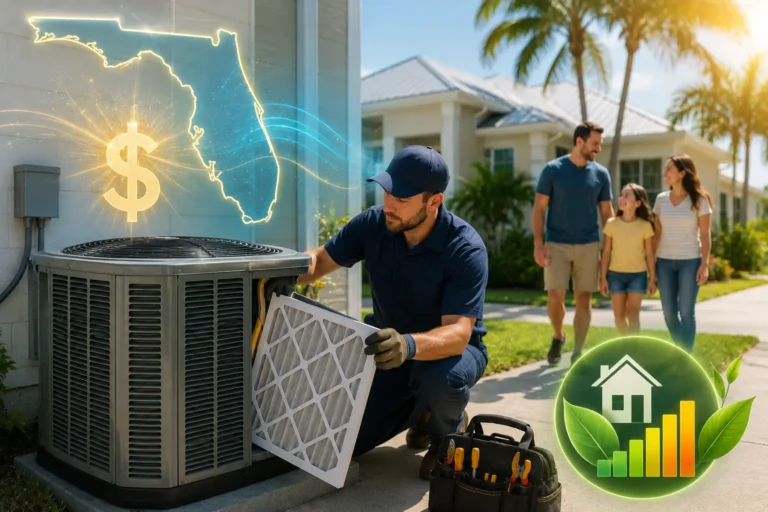
- Check and replace air filters (every 30–60 days) — Dirty filters restrict airflow and force your system to work harder, reducing efficiency and air quality.
- Ensure vents and registers are unobstructed — Furniture, rugs, or dust buildup can block airflow, making your system less effective.
- Inspect thermostat settings and battery (if applicable) — A miscalibrated thermostat can cause inconsistent temperatures and wasted energy.
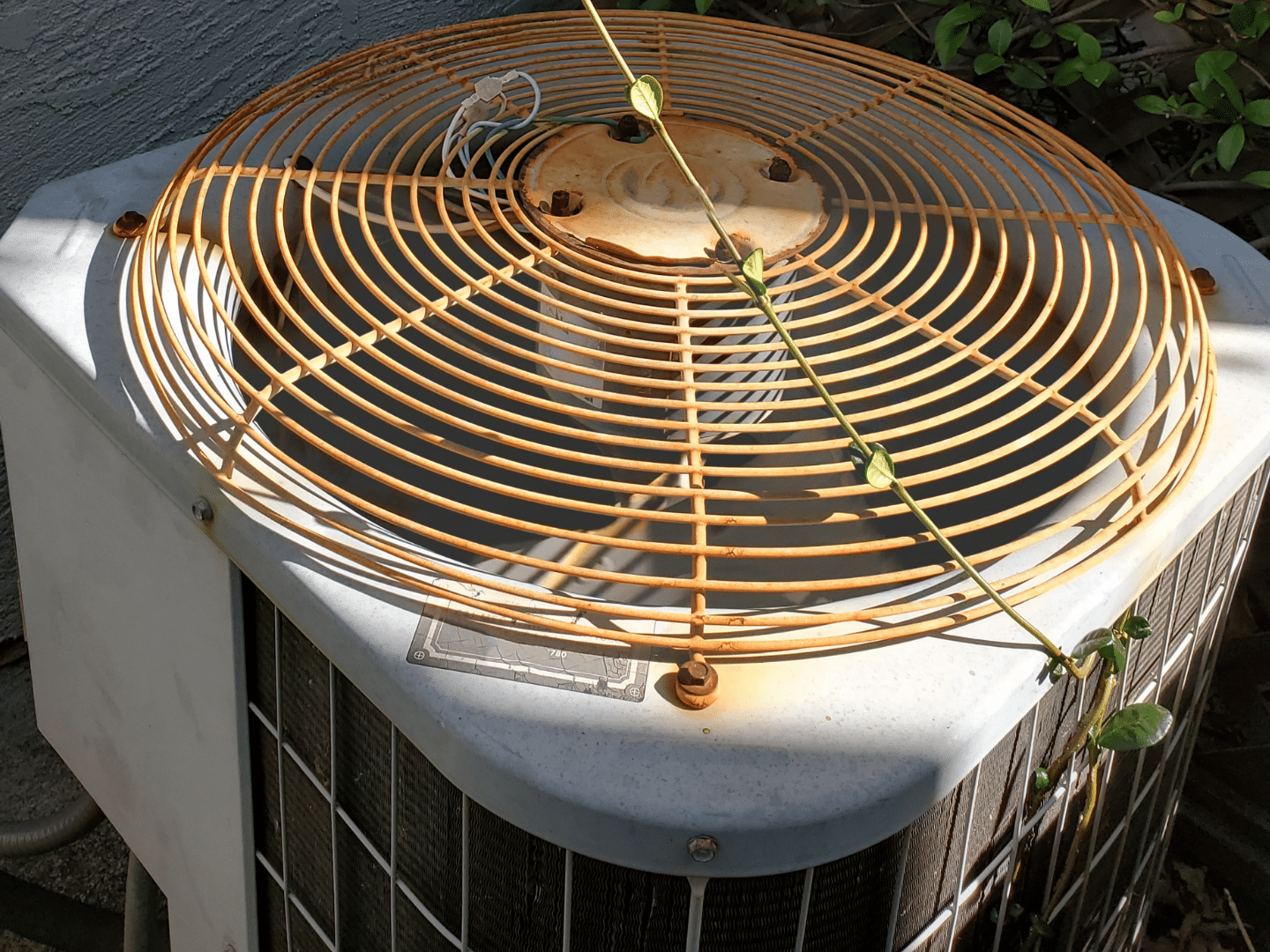
- Visually inspect outdoor unit for leaves, grass, or damage — Debris or physical obstructions around the unit can limit airflow and overheat components.
- Listen for unusual sounds from your system — Rattling, buzzing, or grinding noises could indicate a mechanical issue that needs professional attention.
Spring Checklist (Cooling Season Prep)
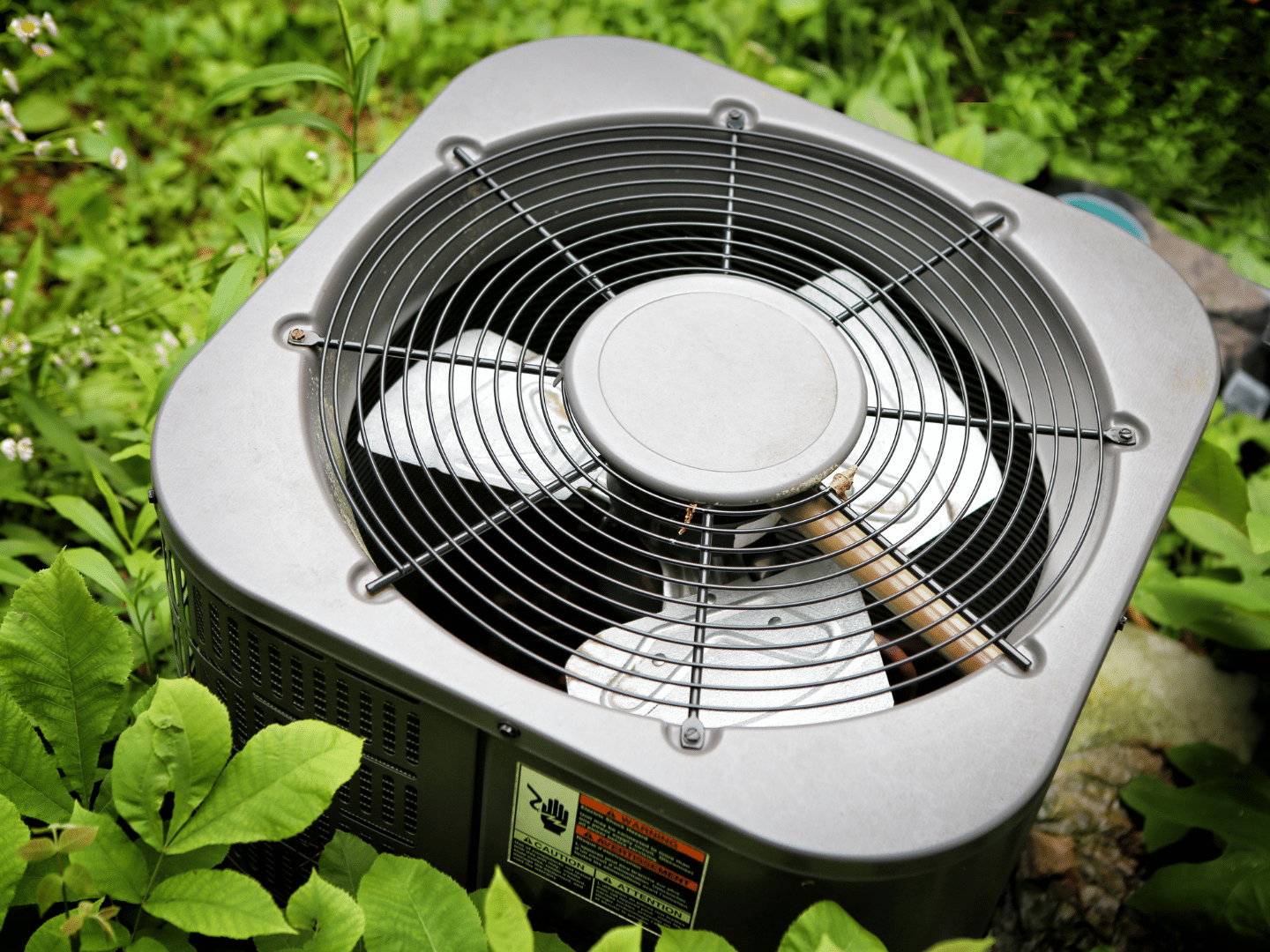
Getting your HVAC system ready for warmer weather helps prevent breakdowns and ensures efficient cooling when you need it most:
- Clean coils on the indoor and outdoor units — Dirty coils reduce efficiency and can cause the system to overheat or cool poorly.
- Clear vegetation and debris around outdoor condensers — Adequate airflow is essential—clear at least 2 feet around the unit for proper ventilation.
- Flush and clean condensate drain line — A clogged drain line can lead to water damage and musty odors inside your home.
- Check refrigerant lines for insulation and wear — Damaged insulation affects cooling performance and can lead to energy loss.
- Test system startup and thermostat controls — Make sure your system powers on correctly and responds to temperature settings.
- Schedule professional AC tune-up — A licensed technician can catch small issues before they become major, keeping your system efficient and reliable.
Summer Checklist (Peak Performance Watch)
During peak cooling season, focus on system performance and early warning signs of strain or inefficiency:
- Monitor indoor humidity levels — High humidity can make your space feel warmer than it is and may indicate your system isn’t dehumidifying properly.
- Check energy bills for spikes — Unexpected increases could mean your system is working harder than it should due to a hidden issue.
- Ensure consistent airflow from all vents — Weak airflow can signal duct leaks, blocked vents, or blower motor problems.
- Verify proper system cycling and cooling output — Short cycling or inconsistent cooling could point to thermostat problems, low refrigerant, or electrical issues.
Fall Checklist (Heating Season Prep)
Before temperatures drop, make sure your heating system is safe, efficient, and ready to perform:
- Test heating system and thermostat — Confirm the system starts up properly and responds to temperature adjustments.
- Inspect burners, heat exchanger, and safety controls — These components are critical to safe operation and should be checked for wear, cracks, or malfunction.
- Replace or clean filters — Clean filters improve airflow and help your system heat more effectively.
- Check for unusual noises or odors during heating — Strange sounds or smells could indicate gas leaks, electrical problems, or worn parts.
- Schedule a professional furnace or heat pump tune-up — A seasonal check by a licensed technician ensures everything is running safely and efficiently before winter.
Winter Checklist (Comfort & Safety)
Even if winter is mild where you live, it’s important to keep your system running safely and effectively during colder months:
- Inspect outdoor components after storms or cold snaps — Snow, ice, or debris can block airflow or damage the outdoor unit, especially after harsh weather.
- Monitor for uneven heating or cold spots — Inconsistent temperatures may point to duct issues, poor airflow, or thermostat imbalances.
- Replace filters if needed — Filters may clog more quickly during heavy system use; check and replace as necessary to maintain efficiency.
- Verify CO detectors are working properly — A functioning carbon monoxide detector is essential for homes with gas heating to ensure safety.
Long-Term HVAC Maintenance (Every 1–5 Years)
Some components and services don’t require frequent attention but are critical to long-term performance:
Every 1–2 Years
Take a deeper look at system health and efficiency:
- Have ductwork professionally inspected and cleaned — especially important for homes with pets, allergies, or visible dust buildup.
- Recalibrate or upgrade your thermostat — inaccurate readings can waste energy; a smart thermostat can improve comfort and savings.
- Test overall airflow and efficiency — a professional tune-up can catch early signs of imbalance or strain in your system.
Every 3–5 Years
Focus on long-term reliability and energy performance:
- Schedule a full system evaluation — aging systems may still run, but inefficiently. Early diagnostics can prevent costly breakdowns.
- Review your home’s energy usage — newer HVAC models are far more efficient; upgrading could mean real savings.
- Inspect high-wear components — parts like capacitors, relays, and contactors wear out with time and can cause system failure.
- Assess overall comfort and airflow — if certain rooms stay too hot or cold, it may be time to reevaluate insulation, ductwork, or zoning.
Why Regular HVAC Maintenance is Crucial
Routine HVAC maintenance is one of the simplest ways to protect your comfort and your budget. By following a consistent maintenance schedule, you can keep your system running at peak performance all year long.
Lower Energy Costs
A well-maintained system runs more efficiently, meaning it uses less energy to keep your home comfortable. Simple tasks like cleaning coils, replacing filters, and checking refrigerant levels can make a noticeable difference in your monthly utility bills.
Fewer Emergency Repairs
Catching small issues early, like a worn belt or a clogged drain, can prevent major breakdowns later. Regular checkups help avoid the inconvenience and high cost of emergency service calls.
Longer System Lifespan
When your system isn’t under constant strain from neglected maintenance, it lasts longer. This means fewer replacements over time and a better return on your investment.
Whether you’re managing a home or commercial property, using a reliable HVAC maintenance checklist can help you stay on track and avoid surprises. And if you’re ever looking for trusted service near you, having a professional team on hand makes all the difference.
Why Hire a Local HVAC Pro & What to Do Next

While a good maintenance checklist is a great place to start, nothing beats the peace of mind that comes with having a trusted HVAC professional on your side. Local providers understand the specific demands of your region and can respond quickly when it matters most.
At Custom Air Conditioning & Air Quality, we proudly serve homeowners and businesses throughout Zephyrhills, Wesley Chapel, Dade City, and surrounding Florida communities. Our team offers fast, professional service, and we’re available 24/7 for emergency repairs when unexpected issues arise.
Regular HVAC maintenance is the easiest way to lower energy bills, extend the life of your system, and avoid costly surprises. Whether you’re tackling a few items yourself or looking for professional support, staying proactive pays off.
We’re here to help, whether you need a quick inspection, a seasonal tune-up, or year-round service.
Next Steps
- Schedule a service appointment with our team
- Ask about our maintenance plans to keep your system running efficiently, year after year